The Worst TV Season Of All Time
What year was the absolute worst on television?
In this era of Peak TV, we’re lucky to have so many choices that everyone can always find something good to watch. There are so many shows to choose from that one person’s favorite show may be something another person has never even heard of.
But that wasn’t always the case. Once there were three major TV networks, NBC, CBS, and ABC, and everyone pretty much watched the same thing. New TV shows came out in the fall, with reruns in the summer, and in between, “mid-season replacement” shows would fill in the time slots of canceled programs.
Some years, TV seasons were full of amazing shows. Other years, not so much. So when was the absolute worst TV season?
Easy candidates would be the seasons affected by strikes in Hollywood, where no new written content could be produced, and the networks just aired reruns or unscripted programs. But that’s not as much a factor of quality as it is talent availability.
For the worst TV season of all time, when the shows were so bad that the chairman of the FCC called television a “vast wasteland,” we have to go back to the 1960-61 season, a year that included one of the biggest flops in television history that’s mostly remembered today for its strange aftermath.
Heading into the season
NBC and CBS both launched as TV networks in 1941, with ABC not joining until 1948. So at this point, NBC and CBS had almost twenty years to experiment, and ABC had thirteen.
For the last few years leading up to this season, the hottest shows in prime time were the quiz shows where people showed off their trivia knowledge and won big bucks. But in a major scandal, those shows were revealed to be fixed, leading to Congress passing a law in 1960 prohibiting rigged quiz shows. So the networks pulled them from the schedule. And what did they replace them with? Westerns. Lots of Westerns.
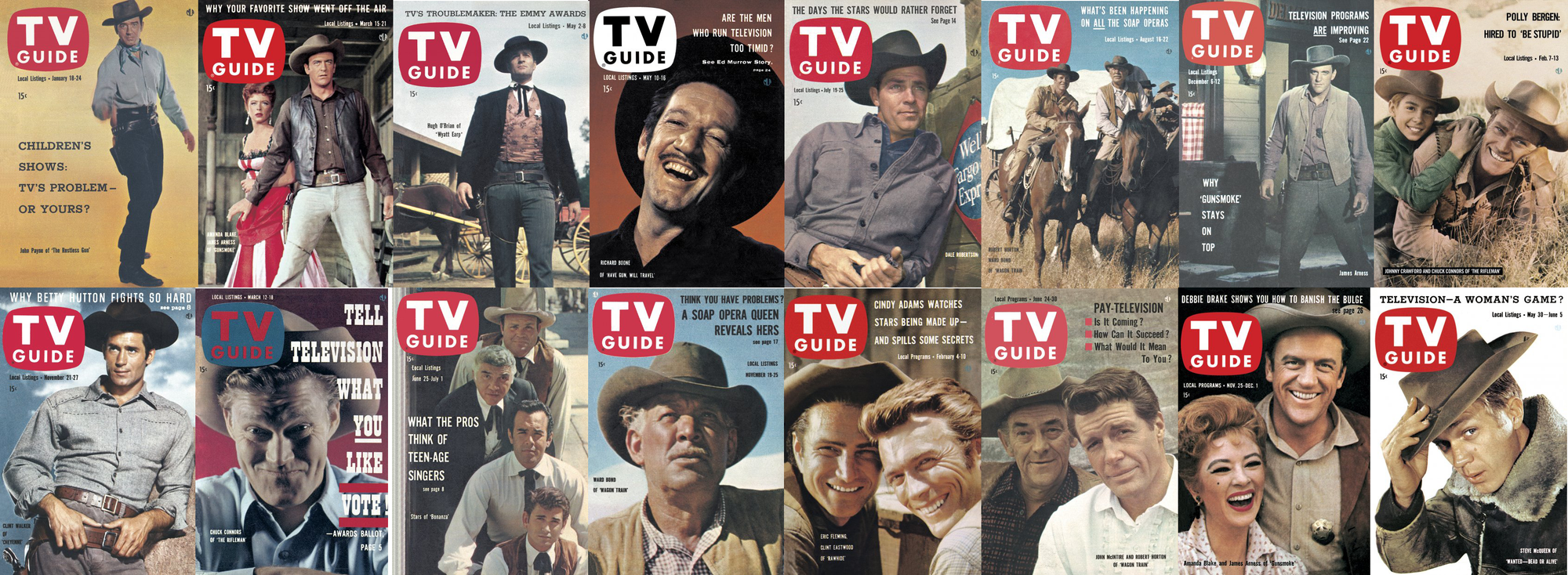
In January 1960, a trade publication for TV and radio advertisers called Sponsor was already complaining about the number of Westerns on air:
With about 30 westerns and some 20 cops-and-robbers shows on the air, it’s difficult, if not altogether impossible, to tell the difference between them.
ABC had been the last of the major networks to launch, and it made up for lost time by developing cheap shows that beat the other networks in the ratings. So the other networks copied ABC’s formula, resulting in a homogenization of television.
In an essay called ABC and the Destruction of American Television, 1953 - 1961, media scholar James Lewis Baughman says the networks “mass produced” their shows, noting that “series like 77 Sunset Strip and Surfside 6 were distinguished only by their locale.”
The 1950s had been a Golden Age of television, but now the networks were blending together into a bland mass featuring imitations of each other’s Westerns, crime, and action shows.
The absolute worst show of the year
While quiz shows were now passé, game shows were still doable. These didn’t have big cash prizes and were meant as entertainment. Some were “panel shows” where a group of celebrities worked to solve a challenge either together or in playful competition. Some of the better panel shows include What’s My Line? and To Tell The Truth. But one panel show called You’re in the Picture hosted by Jackie Gleason was such a colossal flop that it resulted in something that had never happened on television before or since.
The show premiered on January 20, 1961. The premise of the show was that four celebrities would stick their heads through holes cut out in a picture – like those wooden stand-ups you might see at a beach or pumpkin patch – and they would ask questions to see if they could figure out what the picture is that their head is poking through.
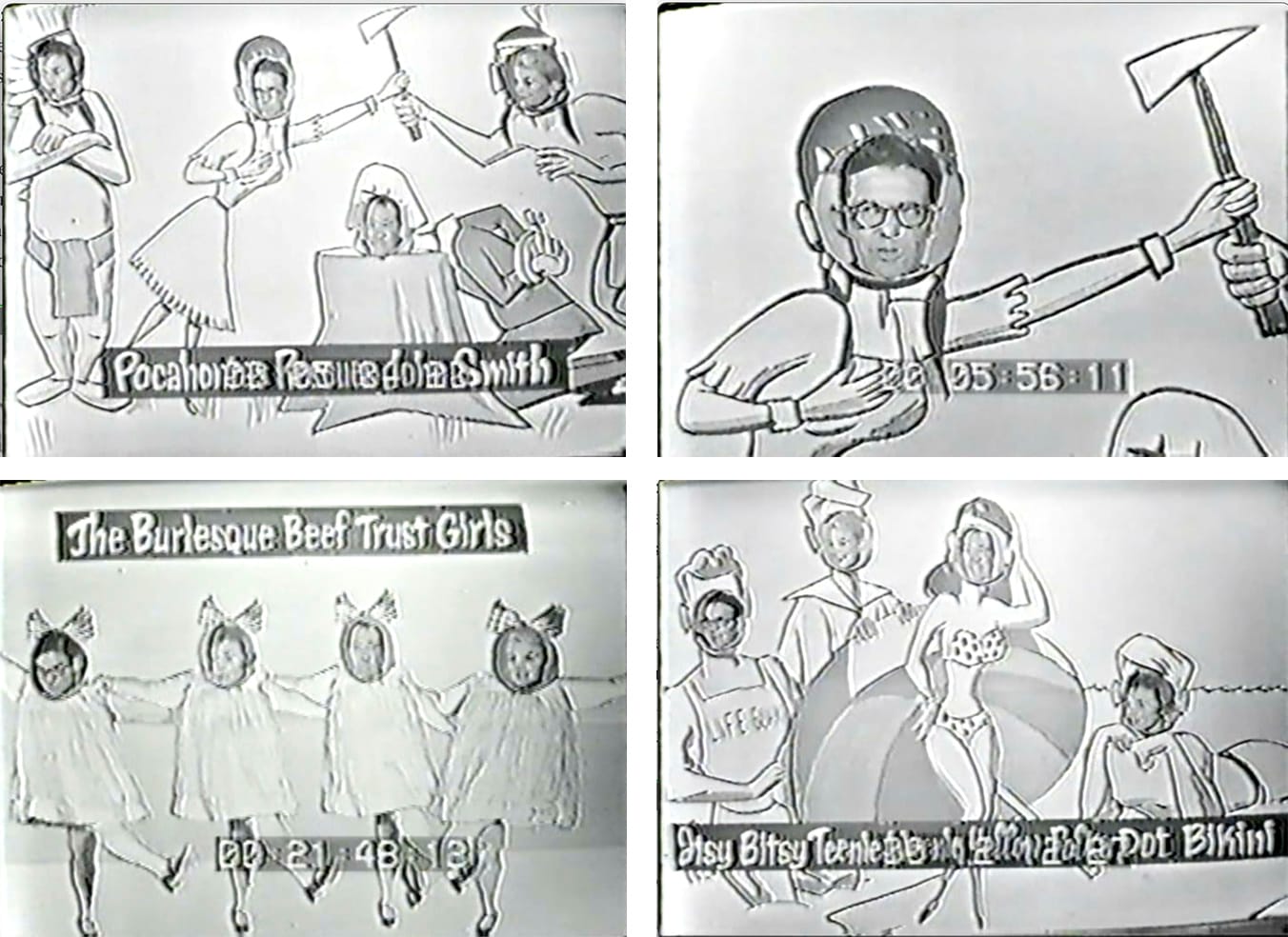
It’s such a dumb idea, like something you’d see Jimmy Fallon do on The Tonight Show. It was like watching someone play a boring round of twenty questions: Am I a man? Am I tall? Am I wearing a uniform? The audience didn’t laugh much and critics hated it.
So the following Friday, instead of doing the show as scheduled, Jackie Gleason sat on stage with a cigarette and a spiked coffee (he called it “Chock Full-o’-Booze”) and spent 30 minutes apologizing to America for how bad the show was.
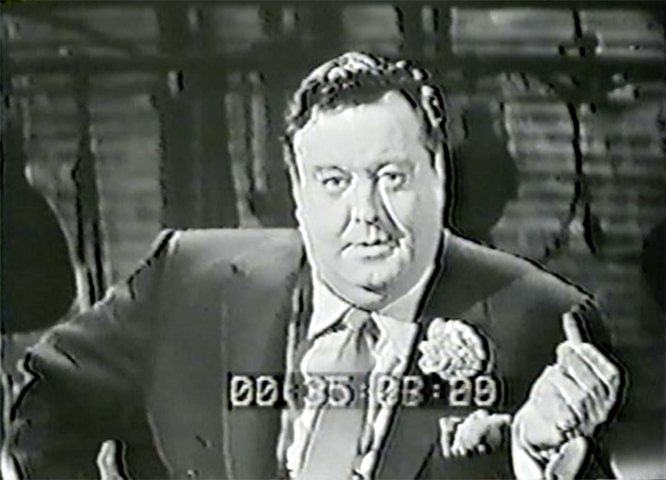
Ladies and gentlemen, I think you'll notice that there is no panel tonight. As a matter of fact, there's nothing here except the orchestra and myself. I'd like to modify that. There is one other thing. We have a creed tonight. And the creed is: Honesty is the best policy. Now, this program could be the most fascinating you'll ever watch. I know this, that it's the first of its kind. And could very easily be the last... Last week we did a show called You're in the Picture that laid without a doubt the biggest bomb. I'm telling you, friends, that I've seen bombs in my day. This would make the H Bomb look like a two-inch salute [a type of small firecracker].
He went on to explain how the idea seemed really funny when they first tried it around the office. They pulled people in to watch and everyone was falling on the floor laughing. But show business is unpredictable and the concept just didn’t translate to television.
He said he knew it was a disaster when the show was over and people said things like, “The commercials were great!”
Gleason shared some other personal stories of failure and ultimately concluded that the failure of You’re in the Picture can’t be blamed on any one person. It’s just a fluke of show business.
So while the show was a disaster, at least this unique, candid, and often rambling address to the viewers makes for an interesting television history footnote.
A close runner up
Towards the end of 1961, ABC rolled out a sitcom called The Hathaways about a married couple with three chimpanzees that they treated as children. Technically it premiered at the start of the ‘61-62 season, or it might beat You’re in the Picture for being the worst show of the season. But I lump it in with the rest of the drivel because it was developed during the same period. Executive producer Robert Sparks saw the chimps on the Jack Benny Show and came up with a sitcom idea for them.
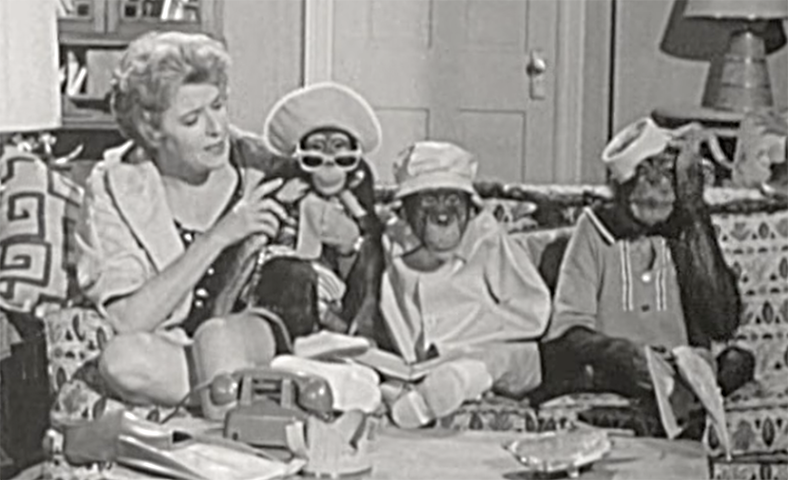
I give him credit for trying something besides another western or detective show, but maybe he should have passed on this one.
In the 1984 book Watching TV: Four Decades of American Television, critics Harry Castleman and Walter Podrazik called it “possibly the worst series ever to air on network TV”:
The scripts, acting, and production were horrible, and the premise itself was utterly degrading to both the audience and the actors... it stood as an embarrassing example of the depths programmers had reached in their desperate search for a chance hit in any format or premise.
It was a dreary time for television.
Time weighs in
As the 1961 TV season came to a close, Time magazine looked back at the season and summed it up:
As the bloodstained 1960-61 season crawled toward its grave last week, it had proved one thing to everybody’s satisfaction: it was the worst in the 13-year history of U.S. network television...
By next year, perhaps the 1960-61 season, in retrospect, will seem not half bad. At least, it will be over.
The exceptions
Just for the sake of completeness, it should be mentioned that while the season overall sucked, there were some good shows on TV that year. The Flintstones, The Andy Griffith Show, and The Twilight Zone were all new shows that stood out among the drivel. But they were the exceptions, not what was typically on the schedule.
A “vast wasteland”
In May of 1961, the newly appointed FCC chair, Newton Minow, gave a speech at the National Association of Broadcasters about television and the public interest. He called out the networks for the poor quality of their programming:
When television is good, nothing – not the theater, not the magazines or newspapers – nothing is better. But when television is bad, nothing is worse.
I invite each of you to sit down in front of your television set when your station goes on the air and stay there, for a day, without a book, without a magazine, without a newspaper, without a profit and loss sheet or a rating book to distract you. Keep your eyes glued to that set until the station signs off. I can assure you that what you will observe is a vast wasteland.
This speech and the general temperature of the industry marked a turning point for the networks. Minow emphasized that television needed to serve the public interest and was failing. His focus was largely on how television could inform the public by having more news, documentary, and children’s programming. But it was his insistence that television should be taken more seriously overall that helped pave the way for better shows.
Throughout the 60s, comedies got smarter with programs like The Dick Van Dyke Show and The Smothers Brothers, shows got more experimental with programs like Star Trek. And that set television on its trajectory to becoming what we recognize today.

So what do you think? Was 1960-61 the worst TV season ever? Or can you think of one that was even worse?
Let me know. In the meantime, thanks as always for reading. And I’ll see you next time!
David