The Color Strike
A labor dispute that created a multiverse
Welcome! If you’re new here, please consider signing up for this free newsletter to get more random weird cultural stuff in your Inbox!
The first all-color prime-time TV season in America debuted in 1966. But in England, color programming (or should I say colour programming) wouldn’t take off for the next few years.
In America, the TV cameras for color television had three camera tubes, one for each color of light: red, green, and blue. In England, a different camera system was widely used that added a fourth camera tube. That fourth tube captured a black-and-white image that was merged with the color information.
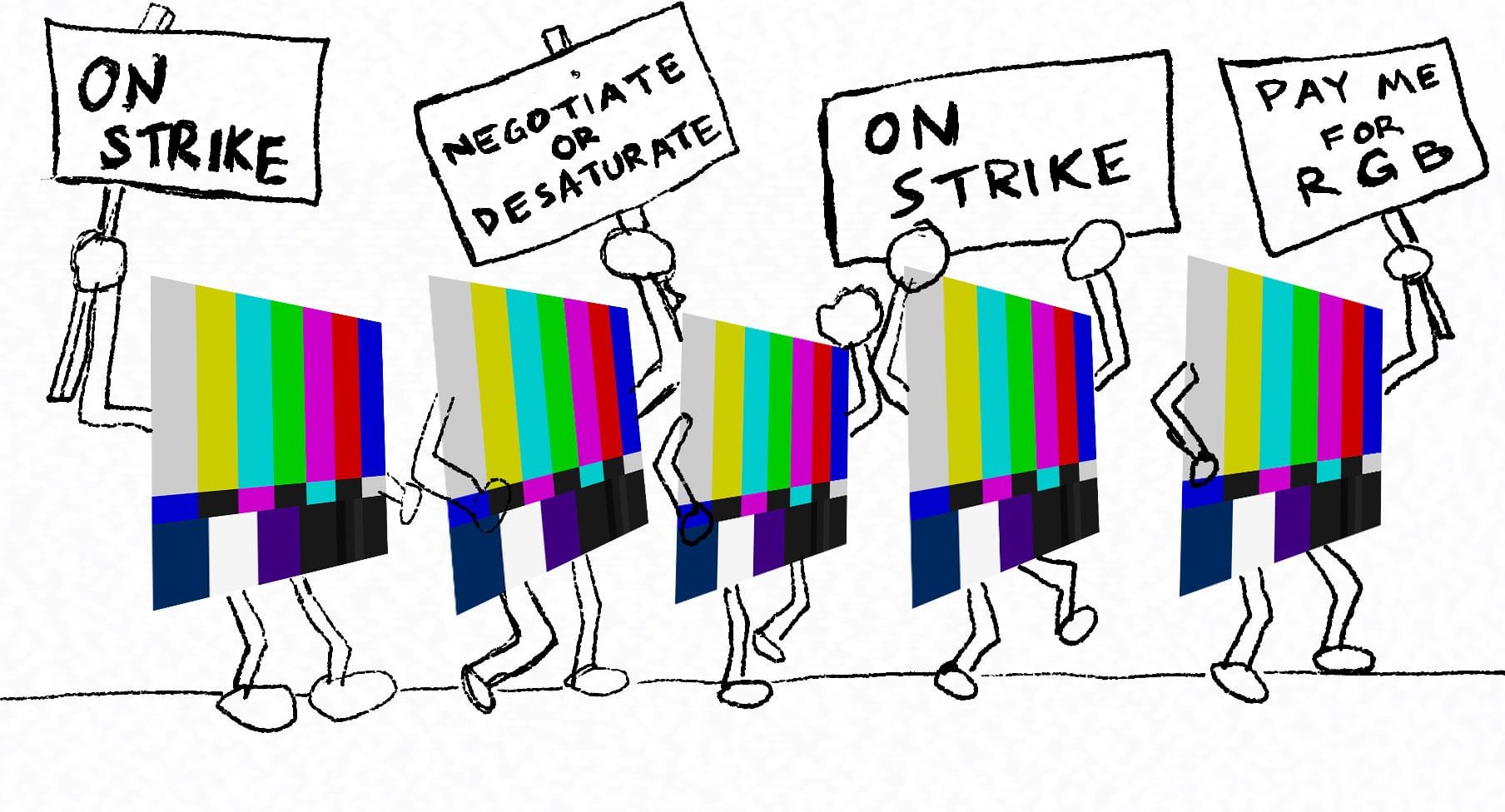
When the British channel ITV made their switch to color at the end of 1969, the camera operators union felt that the additional technical knowledge and skills required for a color camera deserved a pay increase for the operators. ITV disagreed. So the operators came up with a clever way to strike.
They simply shut off the red, green, and blue tubes in the cameras, leaving the fourth black-and-white tube on, essentially turning those fancy cameras back into black-and-white cameras.
It caused all sorts of havoc for shows that were promoted as being in color, and ad revenue was lower than expected now that programming wasn’t in color after all. Without a full work stoppage, the camera operators union still managed to hurt ITV.
The strike lasted about three months before an agreement was reached, and then color programming resumed.
Corporate would like you to watch this two-part training video on the EMI 2001 camera like the ones that ITV used. Thank you for your compliance. “They're four-tube cameras, one for each primary and one for luminance. The tendency these days is to go over to three tube cameras, but we'll we'll speak about that at a later date.”
The Upstairs/Downstairs Side Effect
Despite the strike, ITV still had to begin filming the first season of their new show Upstairs/Downstairs, a drama that was sort of like Downton Abbey before Downton Abbey, about the family upstairs and the staff downstairs in a large townhouse.
The plan was to eventually sell the show to American television, but the strike created a problem. The first six episodes of the show were filmed during the strike and were black-and-white, and the rest of the episodes filmed after the strike were in color. What American network would want a show that has some episodes in black-and-white and some in color in a single season?
So they came up with a solution: They would reshoot the entire first episode in color to set up the situation and characters, and package that with the color episodes that come later in the season for American audiences. The American version would just skip a few episodes in between but it wouldn’t be a big deal.
Oh, wait. It actually would be a big deal, because the first episode begins with one character, Sarah, arriving for her new job as a housemaid (accidentally attempting to enter through the front door instead of the rear). But in the third episode she quits her job and leaves the show. So American audiences would meet her in episode one, and then she’d be gone with no explanation.
So when they reshot the first episode in color, they rewrote it so Sarah actually leaves the show in the first episode. Problem solved. So now when the series is packaged as the international edition, you watch the version of the pilot where Sarah leaves and then it skips over the black-and-white episodes.
Except that while they were re-shooting the first episode, they figured they might as well also re-shoot the original version in color where Sarah stays. And so there were actually three versions of that first episode:
- Color: Sarah goes
- Color: Sarah stays
- B&W: Sarah stays
Over time, the original black-and-white pilot episode has gone missing. The original tapes are believed to have been wiped, so you can’t even watch that version anymore. So now you either watch the international version where Sarah leaves in Episode 1 and the whole series is in color, or you watch the complete series with all the episodes. In that case, your experience goes like this:
- Color: Episode 1 reshot where Sarah stays
- B&W: Episodes 2-6
- Color: Episodes 7 -13
If that’s not confusing enough, you can watch the first season on Roku or Tubi, where they’ve messed the whole thing up. They have the color version of Episode 1 where Sarah quits, and then they still have episodes 2-6 so you can watch her quit again in black-and-white two episodes later! A lot of the exact same dialogue is even repeated. As Sarah is about to leave, one of the other staff asks her, “Where are you going, Sarah?” and Sarah responds, “Out. Through the front door, the way I almost came in.”
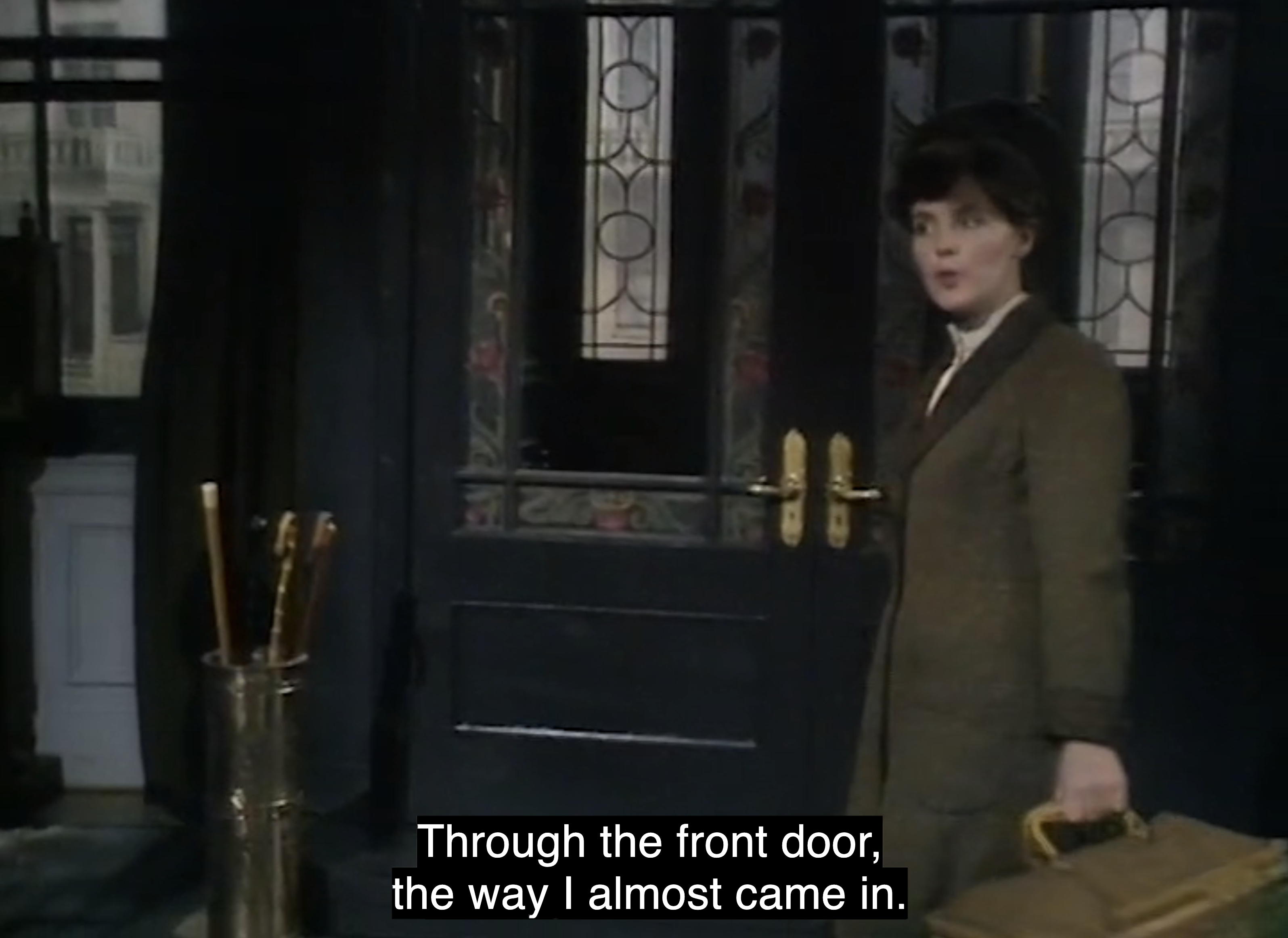
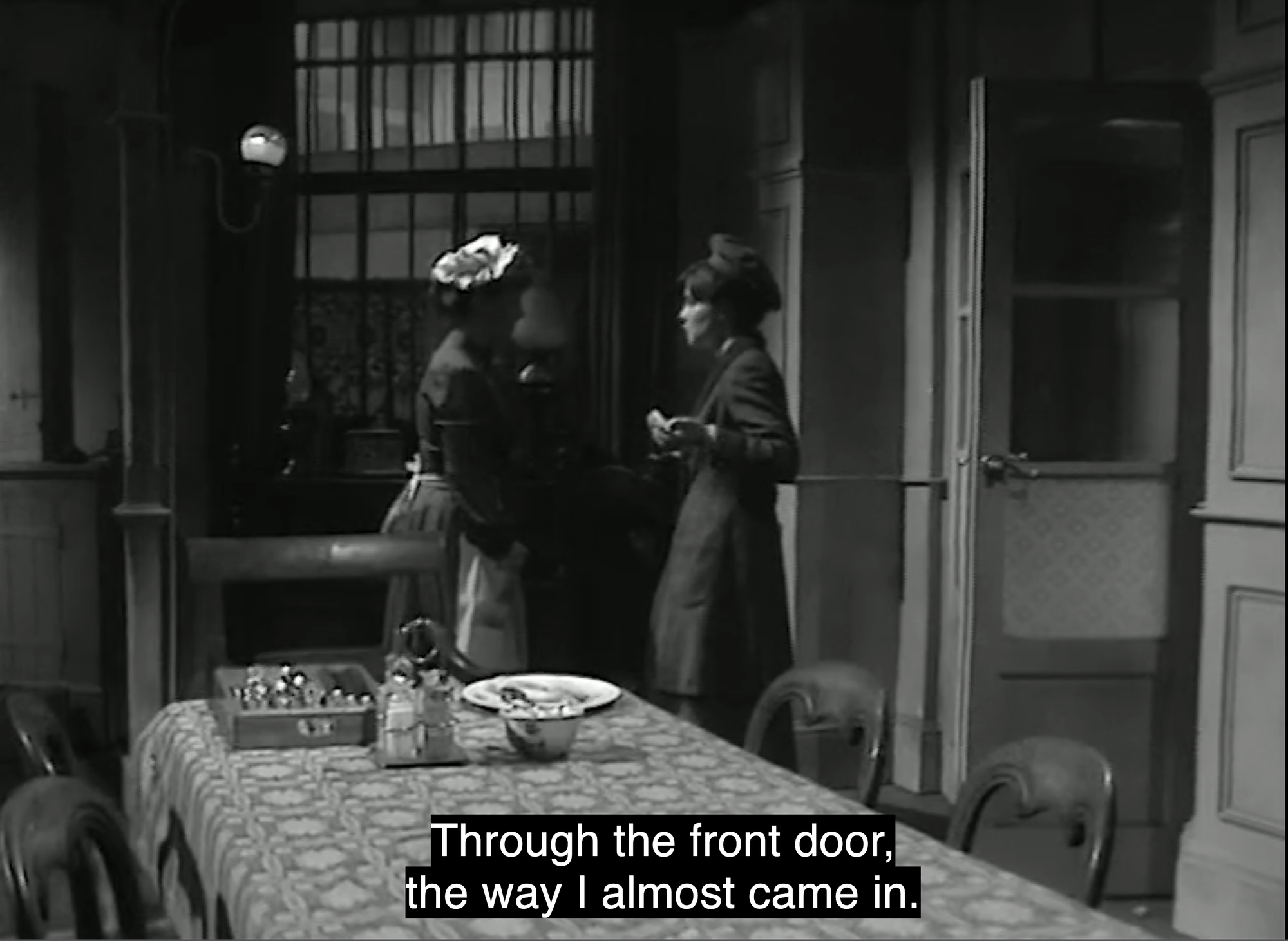
You might describe this whole thing as a continuity nightmare, but I prefer to think of it as separate branches of the Upstairs/Downstairs multiverse.
Other Possible Angles
I always found this story interesting, and I’ve had it on my list to write about for a while. But I was never sure what the angle should be. Is it actually interesting enough on its own, or is it the entry point to talk about something else? What would make it an even better story? Here are some things I considered exploring further:
- The labor angle: There’s a history of workers protesting by technically doing their jobs while on strike, but not necessarily how their employers want. Like, bus drivers on strike have still done their routes but not collected fares, so the public stays on their side but it still hurts the bus company. There’s also something called a work-to-rule strike, where employees follow the literal rules of their job but no more or no less.
- The technology angle: The ITV color TV cameras contained everything they needed to be black-and-white cameras. It’s old technology within new technology. I wondered about other technology like that. Like, were early automobiles designed in a way where you could also hitch them to a horse if you needed to?
- The personal angle: I wondered if I could find any anecdotes of individual camera operators from this time. I couldn’t find any individual stories about the color strike, but I did find first-hand recollections about the time British labor unions disputed whether a clock on the TV show Playschool fell under the electricians’ union because it was electrical, or the prop workers’ union because it was a set piece.
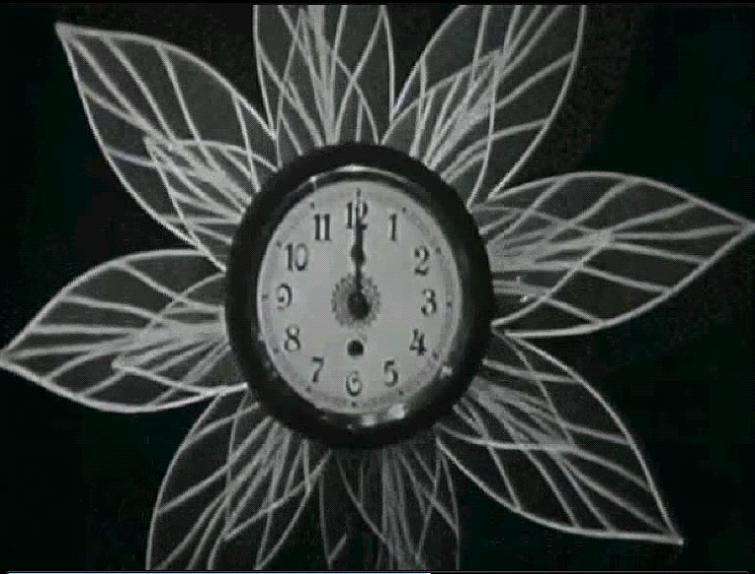
- The other color strike angle: When my kids were little, we loved reading the book The Day The Crayons Quit by Drew Daywalt about a bunch of crayons who leave their crayon box in protest but leave behind notes explaining why they quit: Blue feels like he’s being used way too much for water and it’s wearing him down. Black wants to be used for more than just outlining. Orange and Yellow are in a fight because they each believe they are the right color for the sun. And so on. It’s a great read-aloud book.
- The “Sarah” angle: It sure seems like there were lot of characters named Sarah on British TV.
Perhaps in some other branch of our own multiverse, I did take one of those approaches.
Is there a better angle I missed?

And that’s it for another newsletter! This is a very busy time for me so I almost didn’t get this newsletter out. But I didn’t want to let you down. You, specifically. Yes, you. Thank you as always for reading.
See you next time!
David